
MEDICAL DERMATOLOGY
At Cincinnati Skin Center, through personalized treatments and a comprehensive approach, we aim to empower our patients to understand that beautiful skin starts with a healthy foundation. Medical dermatology is a large portion of what we practice daily and addresses conditions and health concerns that affect the skin, hair, and nails. Dr. Mislankar has dedicated her practice to helping patients of all ages maintain healthy skin by providing the highest quality of service that is also rooted in compassion, integrity, and innovation.


ACNE
Acne is a common skin condition that occurs when hair follicles become clogged with oil, dead skin cells, and bacteria. Acne is most common during adolescence but can affect individuals of all ages. Factors such as hormonal changes, excess oil production, and genetics can contribute to its development. Acne can impact self-esteem and, in some cases, lead to scarring if not properly treated.
-
These include a variety of visible skin changes, such as:
Comedones: the primary types of acne lesions, including blackheads (open comedones) and whiteheads (closed comedones), which form when pores become clogged with excess oil and dead skin cells.
Pimples (Papules/pustules): Small, red, raised bumps that are sometimes filled with pus that can be tender to the touch, often inflamed.
Nodules: Larger, firm, and painful lumps under the skin, which occur when acne lesions become deeply inflamed.
Cysts: Deep, pus-filled lesions that are painful and can cause scarring, typically found in more severe cases of acne.
Acne is commonly seen on the face, chest, back, and shoulders, although acne can appear on other areas of the body as well.
-
Treatment options for acne vary depending on the severity and type of acne.
Topical treatments including ingredients such as benzoyl peroxide, glycolic acid, salicylic acid, or sulfur to reduce inflammation and clear clogged pores. Prescription topical treatments will often include retinoids (e.g., tretinoin) to promote skin cell turnover, and antibiotics (e.g., clindamycin) to reduce bacteria and inflammation.
Oral medications are sometimes necessary to treat more moderate cases of acne and can include oral antibiotics (to reduce bacteria and inflammation), hormonal treatments (to regular hormones that trigger acne in women), or oral retinoids for severe cystic acne that is not responding to other treatments.
Often time these treatments can also be paired with cosmetic options such as chemical peels, facials, microneedling, and laser resurfacing to both target the root cause and potential acne scarring or associated hyperpigmentation.

ROSACEA
Rosacea is a common chronic skin condition that causes redness and visible blood vessels, primarily on the face. Though the exact cause is unknown, factors such as genetics, environmental triggers (like heat, sunlight, or spicy foods), and immune system dysfunction are believed to play a role.
-
It often begins as a tendency to flush or blush more easily but can progress to persistent redness of the cheeks, nose, and chin. Some patient may even develop pink bumps and pustules. Rosacea may also affect the eyes, causing dryness and irritation.
-
Treatment options for rosacea vary depending on the severity and type of rosacea.
Topical antibiotics such as metronidazole or clindamycin may help reduce inflammation and bacteria on the skin. Ingredients such as sulfur, ivermectin, and azelaic acid are also often used to reduce inflammation. Certain ingredients may also help reduce redness by temporarily constricting blood vessels.
Oral medications are sometimes necessary to treat more moderate cases of acne and can include oral antibiotics (to reduce bacteria and inflammation) or oral retinoids for severe cystic rosacea that is not responding to other treatments.
Often time these treatments can also be paired with cosmetic options as laser treatments to reduce both inflammation and the redness and blood vessels associated with rosacea.

Hyperpigmentation
Hyperpigmentation refers to the darkening of the skin due to an excess production of melanin, the pigment responsible for skin color. It can occur in the form of dark spots, age spots, melasma, or post-inflammatory hyperpigmentation (PIH), which can develop after skin injuries, acne, or inflammation. The condition can result from various factors, including sun exposure, hormonal changes (such as during pregnancy or with the use of birth control), certain medications, and inflammatory skin conditions.
-
Hyperpigmentation is typically more noticeable on the face, but it can occur anywhere on the body.
-
Treatment options for hyperpigmentation include topical treatments like hydroquinone, retinoids, and vitamin C, which help lighten the affected areas, as well as chemical peels and laser therapies. Additionally, daily use of sunscreen is essential to prevent further darkening of the skin and to protect against UV-induced pigmentation.

MELASMA
Melasma is a common skin condition characterized by the appearance of dark, discolored patches on the skin, typically on the face. Melasma is more common in women, especially during pregnancy (sometimes referred to as the "mask of pregnancy") or in individuals with hormonal triggers, though men can also develop it. It is believed to result from a combination of hormonal changes, sun exposure, and genetics. Sun exposure is a major trigger, as ultraviolet (UV) rays can stimulate the melanocytes (pigment-producing cells) to produce more melanin, causing the dark patches to form.
-
These patches are usually brown or gray-brown and most often occur on areas that are frequently exposed to the sun, such as the cheeks, forehead, nose, and upper lip.
-
Treatment options aim to lighten the dark patches and may include topical medications such as hydroquinone, vitamin C serums, topical retinoids, chemical peels, laser therapies, and occasionally oral options such as tranexamic acid in resistant cases. Consistent sun protection is key to managing melasma and preventing further darkening of the skin.

Eczema/Atopic Dermatitis
Eczema, also known as atopic dermatitis, is a chronic inflammatory skin condition that causes the skin to become red, itchy, dry, and irritated. It often begins in childhood, though it can develop at any age. The exact cause is not fully understood, but it is thought to result from a combination of genetic and environmental factors, including a weakened skin barrier and immune system dysfunction. Triggers for eczema flare-ups can include allergens, stress, irritants such as harsh soaps, temperature changes, and certain fabrics. The condition tends to run in families, especially those with a history of other allergic conditions, like asthma or hay fever.
-
Eczema commonly presents as skin to that is red, itchy, dry, and irritated. It appears on the face, elbows, knees, and hands but can affect any part of the body.
-
Treatment typically involves moisturizing the skin regularly, using topical corticosteroids or other anti-inflammatory medications, and avoiding triggers. In more severe cases, oral medications, light therapy, or other injectable treatments may be necessary.

Psoriasis
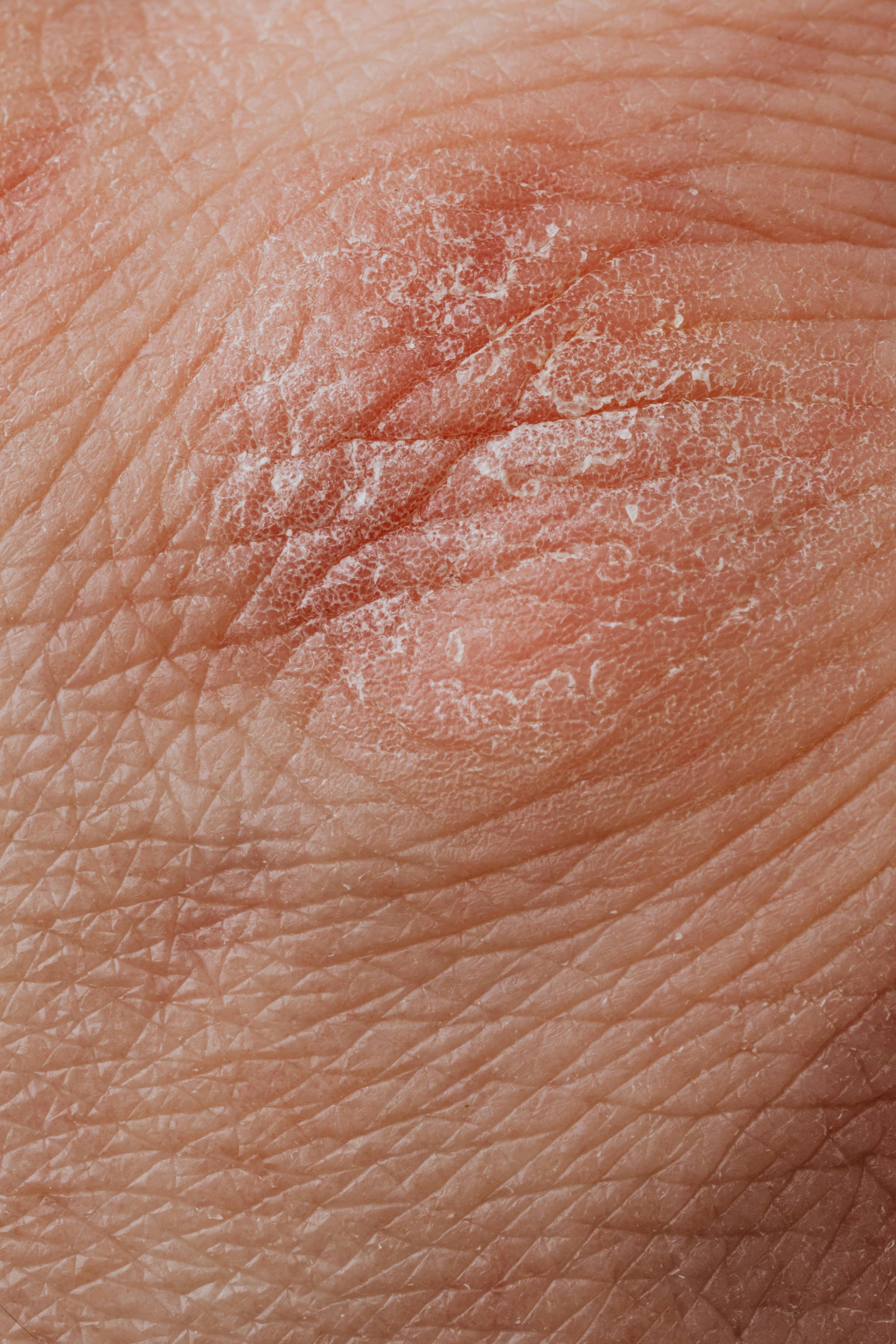
Psoriasis is a chronic condition that causes the rapid growth of skin cells, leading to the formation of thick, scaly patches on the skin. The exact cause of psoriasis is not fully understood, but it is believed to be linked to an overactive immune system that accelerates the skin cell turnover process. Genetic factors, stress, infections, and certain medications can trigger or worsen flare-ups. Psoriasis is a lifelong condition, though its severity can fluctuate. While it is not contagious, it can significantly affect a person’s quality of life, causing discomfort, emotional distress, and, in some cases, joint pain (psoriatic arthritis).
-
Psoriasis often presents with thick, scaly patches on the skin. These patches, often red or silver in color, can appear anywhere on the body but are most commonly found on the scalp, elbows, knees, and lower back. The condition can vary in severity, from small patches to large, inflamed areas that may crack and bleed.
-
Treatment options include topical medications, phototherapy, systemic medications, and biologics, all aimed at controlling symptoms and reducing inflammation and progression to arthritis. While there is no cure, psoriasis can often be effectively managed with the right treatment plan.
Scaly Scalp/Seborrheic Dermatitis
Seborrheic dermatitis is a common, chronic skin condition and one of the most common causes of a scaly scalp presentation. The exact cause of seborrheic dermatitis is not fully understood, but it is believed to be related to an overgrowth of a yeast called Malassezia, which naturally lives on the skin. Factors such as stress, cold weather, hormonal changes, certain medications, and a weakened immune system can trigger or worsen the condition.
-
Seborrheic dermatitis presents as red, flaky, and greasy patches of skin – usually seen as an inflammatory response to typical dandruff. It typically affects areas of the body where there are a lot of oil-producing (sebaceous) glands, such as the scalp, face, eyebrows, sides of the nose, and chest. The condition can range from mild dandruff to more severe inflammation with thick, crusty scales.
-
Treatment typically includes the use of medicated shampoos containing ingredients like ketoconazole, zinc pyrithione, or selenium sulfide, as well as topical treatments such as corticosteroids or antifungal creams. Regular care and avoiding triggers can help manage symptoms and prevent flare-ups.
Skin Cancer Screenings
Skin cancer is the most common type of cancer in the United States and occurs when abnormal skin cells begin to grow uncontrollably. It is primarily caused by damage to the skin from ultraviolet (UV) radiation, most commonly from sun exposure or tanning beds. There are three main types of skin cancer however other rare cancers also exist: basal cell carcinoma, squamous cell carcinoma, and malignant melanoma. During your routine skin cancer screenings, we will evaluate you from head to toe to look for any suggestive findings and suspicious lesions that may be concerning for skin cancer.
-
Basal Cell Carcinoma (BCC): The most common and least aggressive form of skin cancer, BCC usually appears as a small, shiny bump or a red, scaly patch. It typically develops on areas exposed to the sun, such as the face, neck, and hands. While BCC rarely spreads to other parts of the body, it can grow locally and invade surrounding tissues if not treated.
Squamous Cell Carcinoma (SCC): SCC is the second most common type and often appears as a red, scaly, or crusted patch that may bleed. It can also develop into a firm nodule. SCC is more likely than BCC to spread to other areas of the body if left untreated.
Melanoma: The most dangerous form of skin cancer, melanoma can develop from existing moles or appear as new, irregularly shaped dark spots. It can spread rapidly to other organs if not detected and treated early. Melanoma is characterized by asymmetry, irregular borders, multiple colors, and a larger diameter than typical moles.
-
Skin cancer can be highly treatable depending on the type of cancer and if caught early. Common modalities of treatment include surgical removal or other localized treatments. Prevention is key, with the most effective strategies including regular use of sunscreen, wearing protective clothing, and avoiding tanning beds. Regular skin checks, both by a healthcare professional and at home, are essential for detecting skin cancer in its early, most treatable stages.

HAIR LOSS
Hair loss, also known as alopecia, refers to the shedding or thinning of hair from the scalp or other areas of the body. It can occur for various reasons, including genetics, hormonal changes, medical conditions, medications, and lifestyle factors. Hair loss is a common concern that affects both men and women, with patterns and causes differing based on individual circumstances. The three most common kind of hair loss we often see in clinic include androgenetic (hormonal) alopecia, telogen effluvium (stress related hair loss) and alopecia areata. However numerous causes exist, including potential scarring alopecia and therefore a diagnosis from a board certified dermatologist is ideal. If you're experiencing significant or sudden hair loss, consulting a dermatologist or healthcare provider is essential to determine the cause and appropriate treatment plan.
-
Androgenetic Alopecia (Male and Female Pattern Baldness): The most common form of hair loss, this is typically caused by genetics and hormonal changes. In men, it often leads to a receding hairline and bald spots, while in women, it typically results in diffuse thinning across the scalp.
Telogen Effluvium: This temporary hair loss occurs when a large number of hair follicles enter the resting phase of the hair cycle, often triggered by stress, illness, medication, or hormonal changes (e.g., after childbirth).
Alopecia Areata: An autoimmune condition in which the body attacks its own hair follicles, causing small, round patches of hair loss on the scalp or other areas.
Traction Alopecia: Caused by physical stress on the hair follicles, such as tight hairstyles like braids or ponytails, which can result in gradual hair loss.
Scarring Alopecia: A less common type of hair loss however inflammation here damages hair follicles and causes permanent hair loss. Causes include central centrifugal cicatricial alopecia, autoimmune diseases, physical trauma, chemical damange, or other inflammatory conditions such as lichen planopilaris/frontal fibrosing alopecia. This type of hair loss is best treated with prompt diagnosis.
-
Treatment options vary based on the type of alopecia and progression of the disease. They may vary from topical treatments such as minoxidil is an over-the-counter treatment that can help promote hair regrowth in cases of androgenetic alopecia to oral medications such as minoxidil or hormonal options. Additionally non surgical hair restoration options such as platelet rich plasma or laser therapy are options in addition to hair transplant surgery.


Excessive Sweating
Hyperhidrosis is a condition characterized by excessive sweating beyond what is necessary to regulate body temperature. While sweating is a natural bodily function to cool the body, individuals with hyperhidrosis experience sweating that is disproportionate and often occurs without physical activity or heat exposure. Causes range from genetics, hormonal changes, medications, to potential underlying health conditions.
-
This condition can occur in specific areas, such as the hands, feet, underarms, or face, or it can affect the entire body. Sweating can interfere with daily activities, such as difficulty holding objects due to sweaty palms or discomfort in social situations. In some cases, sweating may be accompanied by skin irritation or body odor.
-
Treatment options can vary from topical medications/antiperspirants to help reduce sweating, oral medications such as anticholinergic drugs to reduce sweat productions, to injections and surgical therapy as well.
SCARS
Scars are a natural part of the healing process that occurs when the skin repairs itself after an injury, surgery, or any form of damage. They are made up of fibrous tissue that replaces normal skin after the body has healed a wound. While scars are generally permanent, they may fade and become less noticeable over time. Scars can vary in appearance, size, and texture depending on the nature of the injury and how the body heals.
-
Hypertrophic Scars: These scars are raised and red but stay within the boundaries of the original wound. They are often a result of an overproduction of collagen during healing.
Keloid Scars: Keloids are thick, raised scars that extend beyond the original wound area. They are more common in people with darker skin tones and may cause discomfort or itching.
Atrophic Scars: These scars appear as depressions or indentations in the skin.
-
Topical Treatments: Scar creams, gels, and silicone sheets can help minimize the appearance of scars. Ingredients like silicone and vitamin E are often used in scar treatment products.
Steroid Injections: For hypertrophic or keloid scars, corticosteroid injections can help flatten and soften the scar tissue.
Laser Therapy: Laser treatments, such as fractional laser or CO2 laser, can improve the texture and color of scars, especially for atrophic scars.
Dermal Fillers: Fillers can be used to lift depressed scars and create a smoother surface.
Microneedling: This treatment involves tiny needles that stimulate collagen production and improve the texture of scars over time.
Warts/Molluscum
Both warts and molluscum contagiosum are benign (non cancerous) viral conditions, commonly seen in our pediatric patients. They are often self-limiting however if the growths are bothersome, persistent, or widespread, consulting with a dermatologist for proper diagnosis and treatment is recommended.
-
Warts can appear anywhere on the body but are most commonly found on the hands, feet, and face. Warts are typically rough and raised with a hard surface, and they may have tiny black dots, which are blood vessels.
Molluscum contagiosum commonly presents as small, raised, shiny, and flesh-colored bumps on the skin. These bumps are often dome-shaped with a central dimple or indentation. Commonly affects the face, neck, arms, torso, and occasionally the genital area in adults.
-
In office treatments often include a combination of topical ingredients such as salicylic acid, cryotherapy (freezing with liquid nitrogen), immunologic injections, and occasionally minor surgical removal.
PEDIATRIC DERMATOLOGY
Common diagnoses we see in our pediatric patients includes atopic dermatitis, seborrheic dermatitis, psoriasis, warts, molluscum, alopecia areata, and other viral related rashes.
-
Warts can appear anywhere on the body but are most commonly found on the hands, feet, and face. Warts are typically rough and raised with a hard surface, and they may have tiny black dots, which are blood vessels.
Molluscum contagiosum commonly presents as small, raised, shiny, and flesh-colored bumps on the skin. These bumps are often dome-shaped with a central dimple or indentation. Commonly affects the face, neck, arms, torso, and occasionally the genital area in adults.
-
Dr. Mislankar treats all ages from birth to adulthood.
NAIL DISORDERS
Dermatologists are the experts in nail disorders in addition to skin and hair disorders. Common nail findings in clinic are often due to fungal infections, bacterial infections, trauma, or occasionally conditions like psoriasis or atopic dermatitis. Skin cancer can also affect the nails and therefore is part of the skin cancer screening.


